

In the crowded visual landscape of Australian cities, businesses are in a constant battle for attention. From the bustling streets of Melbourne’s CBD to the sprawling retail parks of the outer suburbs, the competition is fierce. A flat, painted sign often blends into the background noise of brick and concrete. To truly stand out, a brand needs depth, dimension, and light. This is why leading companies are turning to 3D illuminated signs to capture the gaze of potential customers.
The difference between a 2D sign and a 3D fabricated sign is the difference between a drawing and a sculpture. By bringing the letters off the wall, you create shadows and highlights that change throughout the day. When you add internal illumination to the mix, the sign becomes a beacon that works for you twenty-four hours a day. It signals professionalism, permanence, and quality.
However, creating these signs is an art form that balances design, engineering, and electrical compliance. It is not something you can simply order online and stick up yourself. It requires a deep understanding of materials and light to ensure the final product looks as good in reality as it did on the computer screen.
The Anatomy of Fabricated Letters
To appreciate the impact of 3D illuminated signs, it helps to understand how they are built. The most common form is the “channel letter.” Each letter of the company name is individually fabricated from metal, usually aluminium or stainless steel.
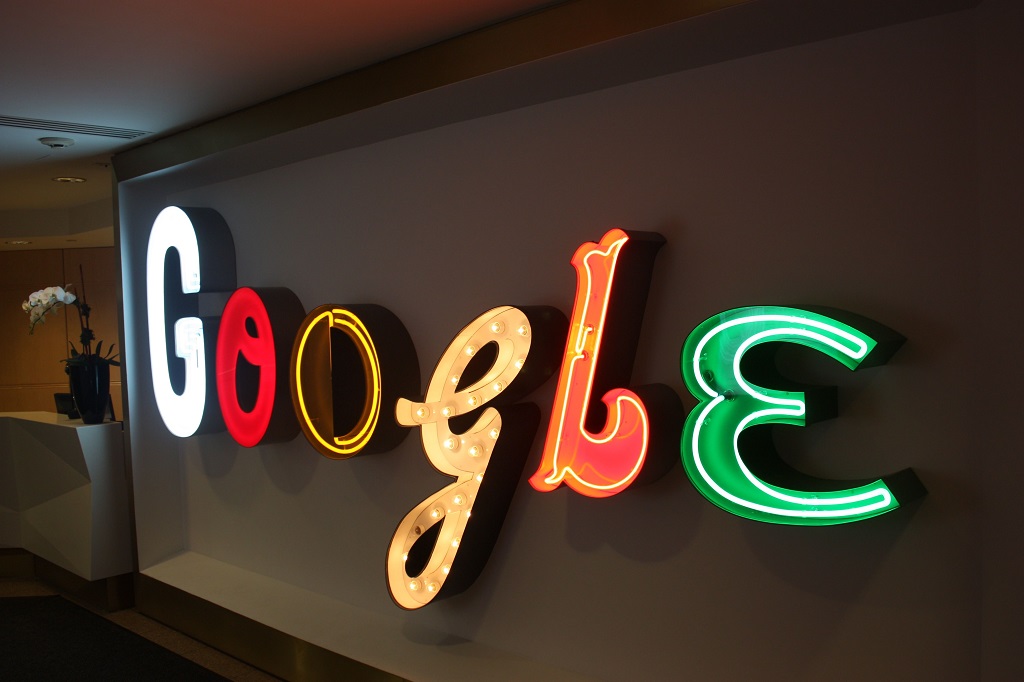
The “return” is the side of the letter, which gives it depth. This can range from a shallow 50mm for a sleek look to a deep 150mm for a bold, chunky aesthetic. The “face” is typically made of acrylic. Inside the metal can, LED modules are installed. When switched on, the light shines through the acrylic face, making the letter glow.
This construction method allows for incredible versatility. You can have the face light up in your brand colours. Alternatively, you can have a “halo lit” effect. In this style, the face is opaque metal, and the back is clear acrylic. The light shoots backwards onto the wall, creating a soft, sophisticated glow around the silhouette of the letters. This is particularly popular for high-end boutiques and corporate offices where subtle elegance is preferred over bright neon.
Why LEDs Have Changed the Game
Historically, illuminated signs used neon gas tubes. Neon has a nostalgic charm, but it is fragile, expensive to run, and requires high-voltage transformers that can be dangerous. The revolution in 3D illuminated signs came with the adoption of Light Emitting Diodes (LEDs).
LEDs are small, durable, and incredibly energy-efficient. They run on low voltage (usually 12v or 24v), which makes them safer and cheaper to install. For a business owner, this means your sign can be left on all night without causing a spike in your electricity bill.
Furthermore, LEDs are compact. This allows sign makers to illuminate complex shapes and thin fonts that would have been impossible with glass neon tubes. We can now evenly light a serif font with delicate curves, ensuring the brand identity remains consistent from the business card to the building facade.
Controlling the Light Temperature
A subtle secret of top brands is the colour temperature of the white light they use. “Cool white” (6500K) is bright and clinical, often used for medical centres or tech brands. “Warm white” (3000K) is softer and more inviting, perfect for hospitality venues and restaurants. Choosing the right “white” significantly affects how the customer perceives the brand before they even walk through the door.
Navigating Local Regulations and Permits
In Australia, putting up an illuminated sign is not a free-for-all. Local councils have strict planning schemes to protect the amenity of the neighbourhood. They regulate how bright a sign can be, when it can be turned on, and where it can be placed.
For example, a flashing sign might be allowed in an entertainment precinct but strictly banned in a residential zone because it distracts drivers and annoys neighbours. During the design phase of 3D illuminated signs, it is crucial to check these local laws.
A professional signage company handles this bureaucracy. They create detailed drawings showing the “lux levels” (brightness) and the method of attachment. They submit these to the council and negotiate on your behalf. Ignoring this step can lead to fines and an order to remove the expensive sign you just installed.
Material Selection for the Australian Climate
The Australian sun is harsh. UV radiation breaks down plastics and fades paint faster than in many other parts of the world. A sign that looks great on day one can turn yellow and brittle within two years if the wrong materials are used.
When commissioning 3D illuminated signs, asking about the materials is vital. High-quality cast acrylics are UV stabilized to prevent yellowing. Automotive-grade polyurethane paints are used on the metal returns to prevent chalking and fading.
The LEDs themselves also need to be rated for outdoor use. They must be waterproof (usually IP65 or higher) to withstand driving rain and humidity. Cheap LEDs can suffer from “colour shift,” where some modules turn blue or purple over time, making the sign look patchy and unprofessional. Investing in quality components ensures the sign remains an asset, not a maintenance liability.
Installation: The Final Hurdle
Installing large, three-dimensional letters on a building facade is a complex logistical operation. It often involves working at heights using boom lifts or scaffolding. The installers need to drill into the building substrate—whether it is concrete, brick, or Alucobond cladding—without damaging the structure.
Electrical access is another key consideration. You do not want unsightly cables hanging down the wall. In a new build, the cables can be pre-run behind the wall cavity. In a retrofit on an older building, the letters might be mounted on a “raceway” or a backing panel. This is a metal box that runs behind the letters, hiding all the wiring and transformers. It is painted to match the building colour, making it almost invisible from the street.
Safety is paramount. In Australia, installers must hold relevant licenses and follow strict Safe Work Method Statements (SWMS). A sign falling from a height is a catastrophic risk, so the fixings must be engineered to hold the weight of the sign plus wind loads during storms.
Questions and Answers: Common Questions About 3D Illuminated Signs in Australia
Q: How much more expensive are 3D illuminated signs compared to flat signs?
They are significantly more expensive, often costing three to five times more than a standard flat panel sign. This cost reflects the labour-intensive fabrication process where each letter is built by hand, the cost of the electrical components (LEDs and transformers), and the more complex installation. However, the return on investment comes from the increased visibility and the premium perception of the brand.
Q: Can I leave my illuminated sign on 24/7?
Technically, yes, the LEDs are designed to run continuously. However, from a regulatory perspective, some councils may have curfews requiring signs to be turned off late at night in certain zones. From an environmental and cost perspective, many businesses use a timer or a daylight sensor (PE cell) that automatically turns the sign on at dusk and off at dawn to save energy.
Q: Do 3D signs require maintenance?
Yes. While LEDs are long-lasting, they can eventually fail after 50,000 to 100,000 hours. Power supplies (transformers) are the most common component to need replacement after a few years. Additionally, the sign face should be cleaned annually to remove dust, spider webs, and traffic grime which can dim the light output. A clean sign is a bright sign.
Q: What is the difference between front-lit and halo-lit?
Front-lit means the face of the letter lights up. This is the brightest option and best for readability from a distance. Halo-lit (or backlit) means the light comes out of the back of the letter and reflects off the wall. This creates a silhouette effect. It is less readable from a long distance but is considered more elegant and architectural.
Q: Can you make 3D illuminated signs for indoor use?
Absolutely. They are very popular for reception areas, boardrooms, and retail displays. Indoor signs generally use smaller, lower-brightness LEDs so they are not blinding to people standing close to them. They can be made with finer details since they don’t need to be weather-proofed like outdoor signs.
Conclusion: Your Path to a Successful 3D Illuminated Signs in Australia
In the visual economy, your signage is often the first interaction a customer has with your business. A flat, lifeless sign suggests a business that is just “there.” A fabricated, illuminated sign suggests a business that is established, confident, and proud of its identity.
