

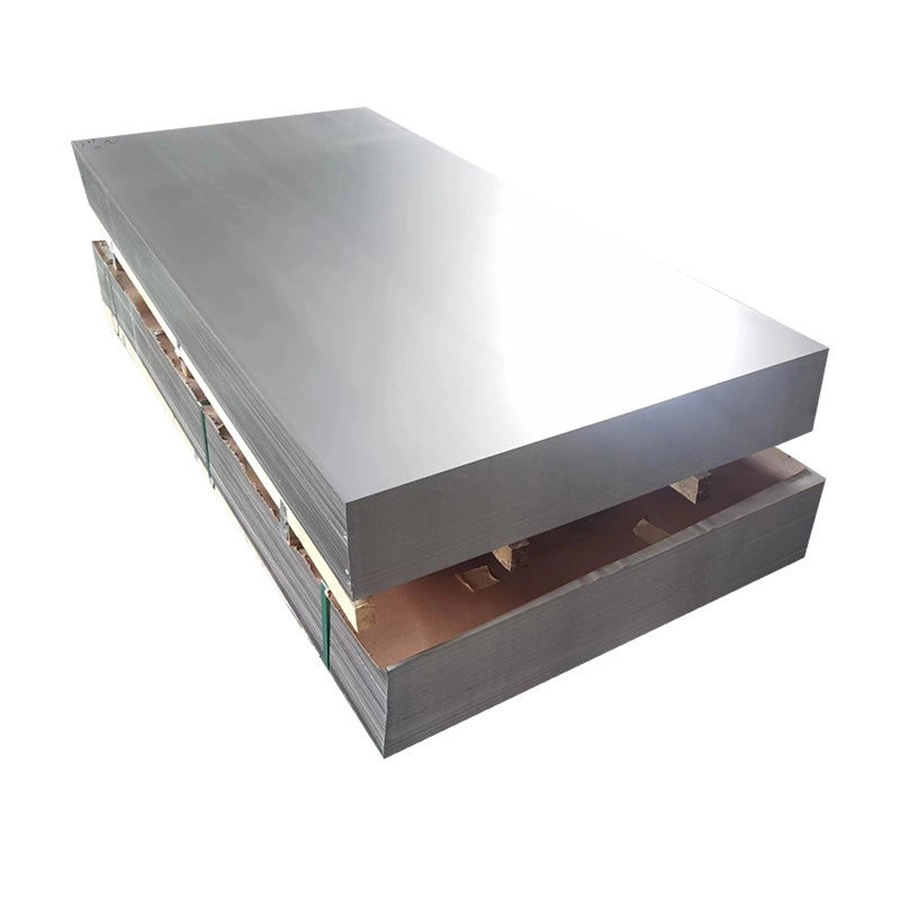
In the modern industrial sector, a material is only as good as its ability to adapt. For engineers and manufacturers, 301 Stainless Steel Foil has become a cornerstone material because it refuses to compromise. It offers a rare combination: the rugged durability of high-tensile steel paired with the pliable nature of a high-performance foil.
Whether you are designing next-generation aerospace components or precision electronic connectors, 301 stainless steel foil provides the mechanical “muscle” needed for demanding environments. In this guide, we’ll explore the science behind its strength and why it remains a top-tier choice for global manufacturing.
What Makes 301 Stainless Steel Foil Unique?
Technically speaking, Type 301 is an austenitic chromium-nickel stainless steel. Its standout feature is its high work-hardening rate. Unlike other grades that require complex thermal processing, 301 gains its impressive structural integrity through cold working.
According to technical resources on what is 301 stainless steel foil, the alloy is specifically formulated with lower nickel content to facilitate this hardening process. While it maintains the corrosion resistance expected of the 300-series, its primary value lies in its mechanical “springiness” and fatigue resistance.
Core Advantages: Strength Meets Formability
1. Tensile Strength via Cold Deformation
As 301 foil is rolled or stamped, its internal molecular structure shifts, significantly increasing its hardness and tensile strength. This allows manufacturers to use thinner gauges without sacrificing the safety or durability of the final product.
2. Exceptional Elasticity
Despite its toughness, this foil is incredibly flexible. It can be bent, crimped, or deep-drawn into complex geometries without cracking. This makes it the go-to stainless foil solution for components that must endure constant movement.
3. High Strength-to-Weight Ratio
In the automotive and aerospace sectors, every gram counts. 301 foil allows for lightweight structural reinforcements that can withstand high-stress loads, a key factor in improving fuel efficiency and performance.
Comparative Analysis: 301 vs. 304
Choosing the right grade depends on your specific environment. While 304 stainless steel foil is often preferred for its superior corrosion resistance in wet environments, 301 is the superior choice when mechanical force is the priority.
| Feature | 301 Stainless Steel Foil | 304 Stainless Steel Foil |
| Work Hardening | Very High | Moderate |
| Spring Properties | Excellent | Average |
| Corrosion Resistance | Moderate | High |
| Primary Use | Springs, Clips, Structural | Food, Medical, Chemical |
Real-World Applications
Precision Spring Manufacturing
Because it “remembers” its shape so well, 301 is the industry standard for spring steel solutions. It is used in everything from constant-force springs in retractable seatbelts to tiny clips in consumer electronics.
Aerospace and Automotive
From aircraft trim to structural stiffeners, this foil provides the rigidity required for high-speed travel. Its ability to resist atmospheric corrosion while maintaining structural integrity is vital for long-term safety.
Electronics and Shielding
In the world of precision stainless steel foil, 301 is used for battery contacts, connectors, and EMI shielding where a thin, conductive, yet strong barrier is required.
Sourcing and Technical Specifications
To achieve consistent results, sourcing from a reputable China 301 stainless steel foil supplier is essential. Precise control over the cold-rolling process ensures that the thickness and temper are uniform across the entire coil.
Key considerations for buyers:
- Thickness: Ranges typically from 0.02 mm to 0.1 mm for precision work.
- Temper: Available from “Annnealed” to “Full Hard” depending on the required spring back.
- Finish: Bright annealed (BA) or 2B finishes are standard for industrial use.
Summary
301 Stainless Steel Foil is more than just a metal sheet; it is a high-performance engineering tool. By balancing cost-effectiveness with extreme mechanical durability, it solves problems that other materials simply can’t handle. If your project requires a material that is tough enough to be a spring yet thin enough to fit in a smartphone, 301 is your best bet.
For more technical data or to browse our full stainless steel foil product catalog, visit our website. If you have questions about specific tempers or gauges, please contact us today.
A Note from Ewan:
I’m the CEO of stainlesssteelfoil.com, and I’ve spent over 30 years perfecting the production of these materials. I’m always happy to share my perspective as a specialized supplier to help you find the most efficient material for your build. Reach out anytime